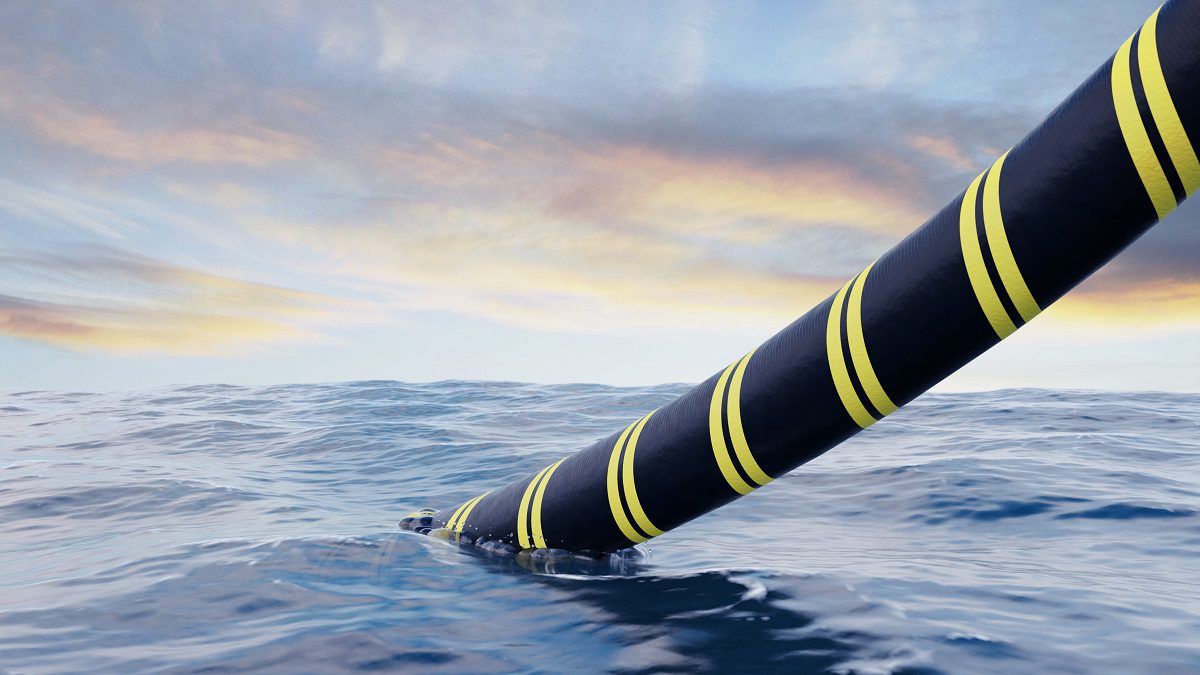

Undersea cables are the foundation of the internet, carrying most of the world’s online traffic. For Sri Lanka, these cables are especially important to stay connected to the global economy. They support key areas like trade, IT services, and education. However, compared to many other countries, Sri Lanka’s internet connectivity still faces challenges in speed, reliability, and affordability.
Where Does Sri Lanka Stand?
Sri Lanka ranks below many developed countries in global internet connectivity. Nations like Singapore and Japan have faster, more reliable internet because they are connected to more advanced cable networks and have stronger local infrastructure. In South Asia, Sri Lanka does better than some neighbours in internet penetration but still lags in quality and cost compared to global leaders.
The Recent Cable Development
Sri Lanka is part of important undersea cable systems, like the SEA-ME-WE (South East Asia – Middle East – Western Europe) series. These cables link Asia to Europe and Africa. Recently, Sri Lanka joined the SEA-ME-WE 6 project, an advanced cable system expected to improve internet speeds and reduce costs. This new cable, set to go live in 2025, will handle much more data and make Sri Lanka’s internet faster and more reliable.
Is This Technology Outdated?
No, undersea cables are still the main way the world stays connected. While satellites like Starlink are useful in some cases, they can’t yet match the speed, capacity, or cost-effectiveness of cables.