On December 26, 2024, a boat carrying 115 asylum seekers from Myanmar, including many infants, was rescued off the eastern coast of Sri Lanka. Their arrival, however, has sparked controversy and raised urgent human rights concerns. These refugees, fleeing violence and persecution in their homeland, found themselves detained in the Sri Lanka Air Force Camp in Mullaitivu, Northern Province, with limited access to basic rights or legal protections.
Human Rights:
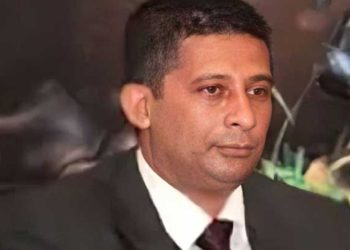
The Human Rights Commission of Sri Lanka (HRCSL) attempted to monitor the conditions under which these asylum seekers were being held. A team of officials, including a director, visited the camp but were denied entry. This denial has escalated into a broader dispute over Sri Lanka’s obligations to international human rights standards. According to Section 11(d) of the Human Rights Commission of Sri Lanka Act, the Commission is entitled to access anyone detained within the country, regardless of their citizenship.
Complaint to the President :
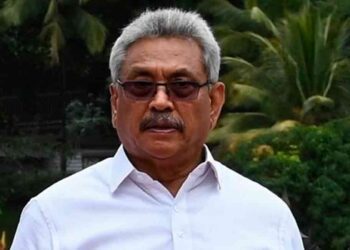
The HRCSL has since lodged a formal complaint with President Anura Kumara Dissanayake, emphasizing the urgent need for transparency in how these vulnerable individuals are treated. On December 27, the Commission wrote to the President, requesting directives to allow its officials to examine the refugees’ detention conditions. Despite these efforts, progress remains slow, and the Commission has summoned officials from the Department of Immigration and Emigration to address the obstruction they faced.
Refugees in Sri Lanka: A Rare Phenomenon
Sri Lanka is not a typical destination for Myanmar refugees. Geographically, most refugees from Myanmar flee to neighbouring countries like Bangladesh, Thailand, Malaysia, and India. Bangladesh, in particular, has borne the brunt of the Rohingya crisis, hosting over a million refugees in camps like Cox’s Bazar. Sri Lanka’s lack of formal refugee policies further dissuades asylum seekers from considering it as a long-term haven. As a non-signatory to the 1951 Refugee Convention, Sri Lanka provides no legal framework for integrating or resettling refugees, making their presence precarious at best.
Uncertainty:
For the 115 rescued individuals, their future remains uncertain. Many likely see Sri Lanka as a temporary stopover, hoping for resettlement through international organizations like the UNHCR. However, without proper legal and social support, their plight is a stark reminder of the gaps in global refugee protection systems. Sri Lanka faces a moral and legal crossroads: whether to shield these asylum seekers or remain a reluctant host. For now, their journey remains suspended in a haze of uncertainty and bureaucracy.