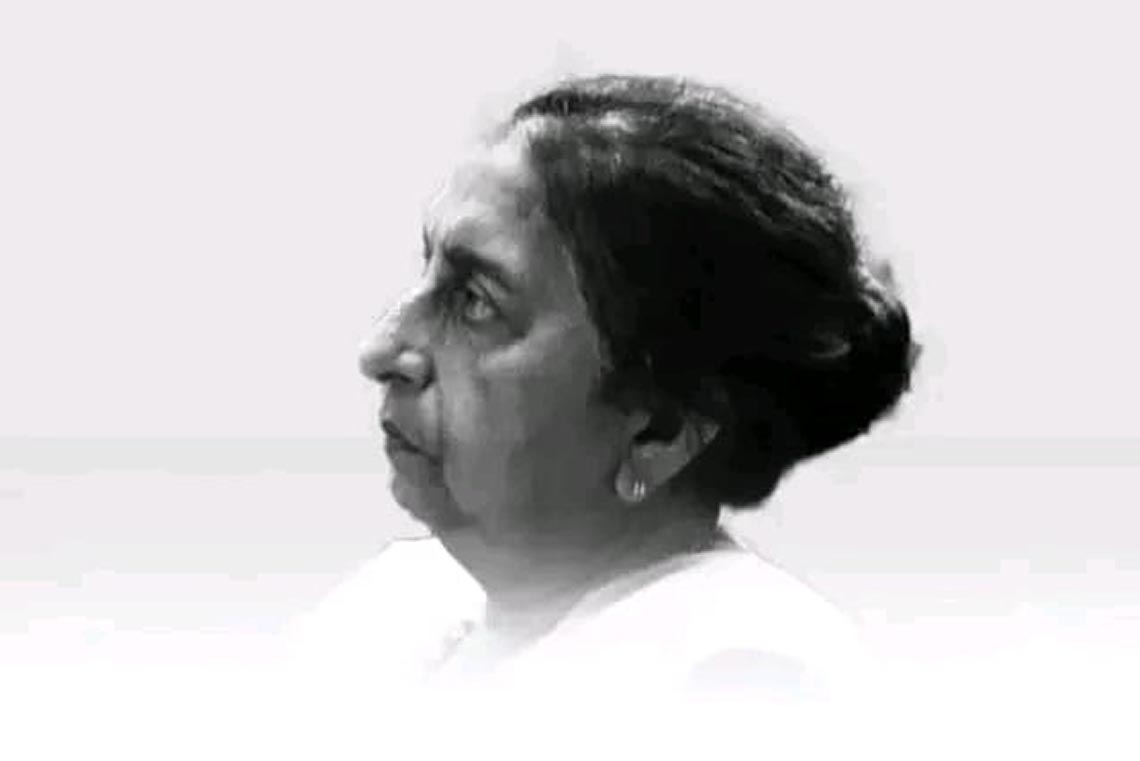

Sri Lanka has lost one of its most esteemed scholars in epigraphy, Dr. Malani Dias, whose contributions to archaeology have left an indelible mark on the field. Dr. Dias, renowned for her expertise in ancient inscriptions, passed away recently, leaving behind a legacy of academic excellence and unwavering dedication to the preservation of Sri Lanka’s historical heritage.
Dr. Malani Dias was a member of a distinguished generation of scholars who maintained the integrity and value of archaeology at a time when the field was held in high regard. Her commitment to upholding the true mission of archaeology, even as standards declined within the Department of Archaeology, stands as a testament to her character and the respect she garnered throughout her career.

Dr. Malani Dias began her journey in 1968, joining the Department of Archaeology as a graduate in Sinhala, Pali, and Sanskrit. She was appointed as a Technical Assistant (Inscriptions), where she immersed herself in the study of epigraphy under the guidance of esteemed mentors, including Professor Senarath Paranavitana and Dr. Saddhamangala Karunaratne.
Balancing her professional duties with her academic pursuits, Dr. Dias earned a Master’s degree from the University of Kelaniya with her research thesis, “Evolution of Sinhala Reflexive Names.” Her scholarly achievements led to her promotion to Assistant Commissioner (Archaeology) within the department, where she continued to excel.
Pursuing further academic excellence, Dr. Dias obtained a PhD from the School of Oriental and African Studies (SOAS), University of London. Her doctoral thesis, “The Growth of Buddhist Monastic Institutions in Ancient Sri Lanka as Depicted in the Brahmi Inscriptions,” was a groundbreaking study that was later published as Volume VIII of the Epigraphia Zeylanica.
Throughout her career, Dr. Malani Dias made significant contributions to the global academic community, representing Sri Lanka in numerous prestigious scholarly endeavors. She served as the Director of the Department of Epigraphy and Numismatics during Dr. Siran Deraniyagala’s tenure as Director General of Archaeology, further cementing her reputation as a leading figure in the field.
Dr. Dias retired from public service in 2004, concluding a distinguished 36-year career. However, her passion for archaeology and scholarship never waned. Until her final days, she remained actively engaged in academic work, most notably co-chairing the expert committee appointed by the President to interpret the Dimbulagala inscription, Sri Lanka’s largest known inscription, which was successfully deciphered just months before her passing.
Beyond her scholarly achievements, Dr. Malani Dias was admired for her humility, compassion, and kindness—qualities that are often lacking among today’s emerging scholars. Her legacy is not only one of intellectual brilliance but also of human decency, serving as an example to all who aspire to contribute to the field of archaeology.
Dr. Malani Dias’s remains will be at No. 41/4, Colombage Mawatha, 3rd Lane, Colombo 05, starting this evening. The funeral service will be held on September 2 at Borella Cemetery, where friends, family, and colleagues will gather to pay their final respects to a true luminary of Sri Lankan archaeology.
Join our WhatsApp / Telegram groups below.