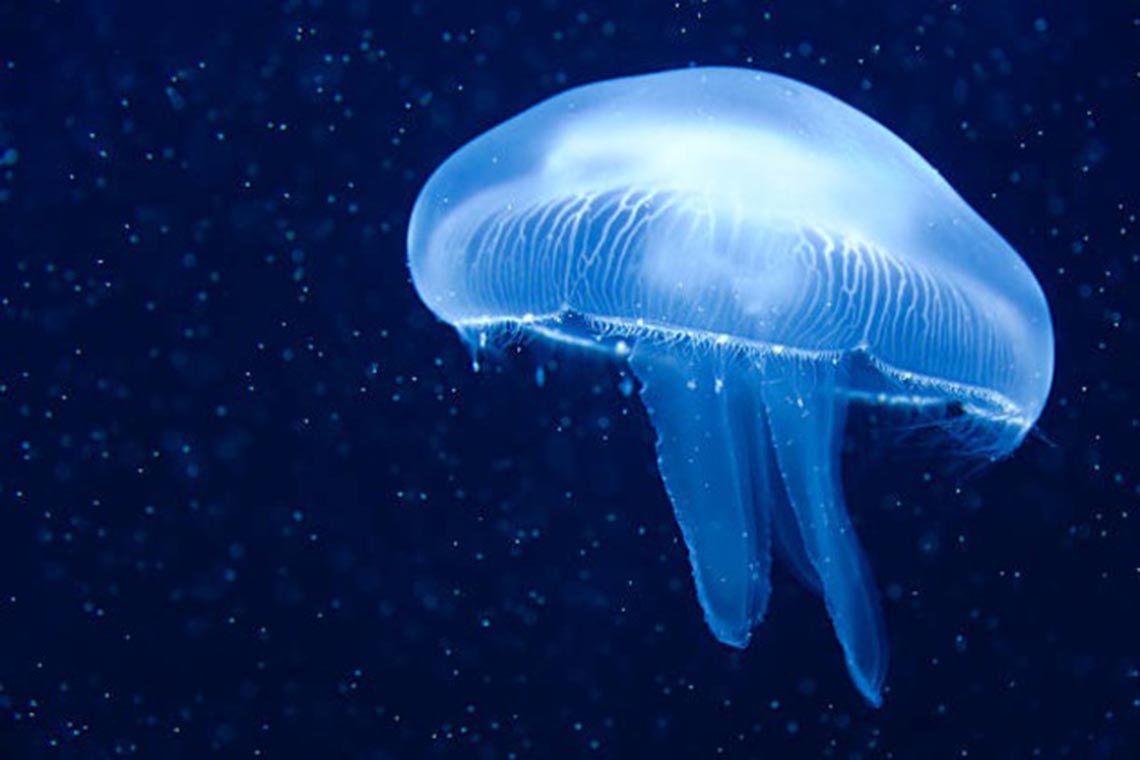

Nine people were taken to hospital after being touched by a Jellyfish while swimming in the Panadura sea on Poson Poya day (yesterday).
It is said that the affected parts of the body are reddened and suffer from symptoms such as itching and inflammation.
Police said that the injured were sent to Panadura Base Hospital.
Jellyfish stings are a common yet often underestimated hazard for beachgoers and marine enthusiasts. These gelatinous sea creatures, with their graceful movements and delicate tentacles, can inflict painful and sometimes dangerous stings. Understanding the nature of jellyfish stings, how they occur, and the appropriate response is essential for ensuring safety and minimizing the risk of complications.
Jellyfish possess specialized cells called nematocysts, which are found in their tentacles. These cells contain tiny, harpoon-like structures filled with venom. When a jellyfish tentacle comes into contact with skin, the nematocysts release their venom, causing the sting.
Different species have varying levels of venom toxicity. For example, the sting of a box jellyfish can be deadly, while others may cause only mild discomfort. Larger and older jellyfish tend to have more potent stings. The sensitivity and condition of the skin area affected can influence the severity of the sting.
Jellyfish stings, while often painful and alarming, can be effectively managed with proper knowledge and prompt action. Understanding the causes, symptoms, and appropriate treatment steps is crucial for minimizing the impact of a sting and ensuring a safe and enjoyable experience in the ocean. By taking preventive measures and knowing how to respond, beachgoers can protect themselves and others from the potential dangers posed by these fascinating marine creatures.