Sri Lanka Lifts Import Ban on Personal Motor Vehicles: A Step Toward Economic Recovery
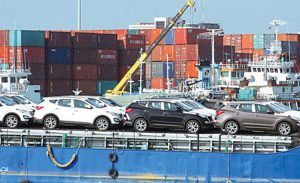
In a move that is expected to have significant economic and social implications, Sri Lanka has lifted its long-standing ban on the import of personal motor vehicles, including stations, effective February 1. The announcement was made in a gazette notice issued by President Anura Kumara Dissanayake, who also serves as the country’s Finance Minister.
Currency Crisis
This decision marks a significant shift in Sri Lanka’s import policies, which were heavily restricted after the country faced its worst-ever currency crisis, exacerbated by the central bank’s actions in 2020. At the time, the bank printed money to artificially target a centrally planned policy rate. This move led to soaring inflation, a liquidity crisis, and drastic currency devaluation, forcing the government to implement stringent exchange and import controls. The ban on motor vehicles was one of the most notable consequences of these measures.
New Import Regulations and Restrictions
While the ban has been lifted, the new regulations come with restrictions aimed at managing the inflow of vehicles into the country. Used cars up to three years old can now be imported. However, to ensure controlled imports, the government has stipulated certain limits:
Import Restrictions: Importers registered with the Department of Motor Traffic will be allowed to bring in any number of vehicles. However, individuals who are not registered importers can only bring in one vehicle within the next 12 months.
Registration:
Vehicle Registration Requirements: Importers must register the vehicles in their own name within 90 days of importation, or they will face a penalty of 3% of the vehicle’s value. This rule also applies to vehicles that are not sold within the given time frame.
The gazette also indicates that further operational instructions will be issued by the Controller General of Imports and Exports to Customs and relevant authorities. Trade sources suggest that certain vehicle types, such as double cabs and trucks, may be prioritized for import first.
A Turning Point for Sri Lanka’s Economy
The lifting of the ban is a major development for the country’s struggling economy. The import of vehicles, especially used cars, has been a significant driver of economic activity in Sri Lanka. Cars such as Toyota, Honda, Suzuki, and Hyundai have long been popular among Sri Lankan consumers, with Toyota emerging as the most prominent brand. The average expenditure on cars in Sri Lanka has often exceeded LKR 4 million (USD 20,000), making vehicle imports a costly affair for the average consumer.
Despite the ban, the demand for cars remained high, with many Sri Lankans turning to second-hand vehicles as an alternative to new models. The import of used cars, including popular options like the Toyota Vitz, Honda Vezel, and Suzuki Swift, was one of the key components of the automotive sector, which had been crippled by import restrictions. These vehicles have been sought after for their fuel efficiency and reliability, two key considerations for consumers in Sri Lanka, where high fuel costs are a concern.

What’s Next for the Local Automotive Market?
As restrictions on vehicle imports ease, the local automotive market is poised for a revival. According to trade sources, double cabs and trucks could be among the first vehicles allowed for import, given the growing demand for commercial vehicles in Sri Lanka’s recovery phase. However, despite these positive developments, there are still unanswered questions regarding the full extent of vehicle imports that will be allowed under the new regulations.
While the lifting of the ban provides a much-needed boost for the economy, it also introduces challenges for local car dealers and importers. The government is expected to implement more transparent guidelines, including detailed “Operational Instructions,” to ensure that the import of vehicles is conducted efficiently and in a manner that does not lead to market disruption. This process will be crucial for ensuring that Sri Lanka’s import sector is not overwhelmed by the influx of vehicles, which could lead to further economic instability.
A Long-Awaited Economic Relief
The lifting of Sri Lanka’s ban on personal motor vehicle imports, though partial, represents a significant step toward economic recovery. It provides much-needed relief for car buyers and importers who have been affected by years of restrictions. With the country now allowing the importation of used cars up to three years old, it opens doors for international brands like Toyota, Honda, Suzuki, and Hyundai to regain their market dominance.
As the government moves forward with implementing further regulations and operational guidelines, the success of this policy shift will depend on the careful balancing of import controls, market demand, and economic recovery efforts. This change signals hope for a more prosperous future, where consumers can access the vehicles they need while the economy gradually heals from the scars of its recent past.