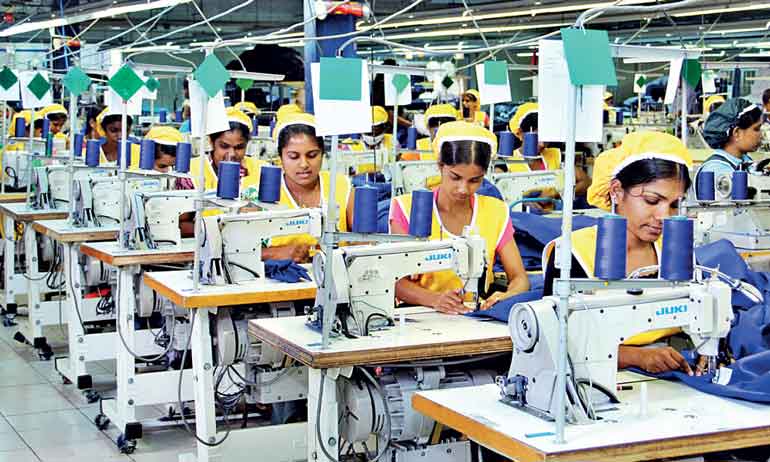

Sri Lanka is preparing to dispatch a high-level delegation, including senior Treasury officials, to Washington for a crucial round of discussions with US authorities regarding a proposed 12.5 per cent tariff on imports. The talks come amid growing concerns over the potential impact on Sri Lanka’s export sector, particularly the garment industry, which relies heavily on the United States as its largest market.
Negotiations will be challenging
According to industry observers, the negotiations will be challenging and could significantly influence Sri Lanka’s future trade relationship with the US. The outcome will determine whether Sri Lankan exports will face an additional 12.5 per cent duty, a move that could place considerable pressure on exporters already navigating global economic uncertainty.

The US is scheduled to conduct a public hearing on July 7 as part of its review process. Recently, Washington expanded its scrutiny to 60 countries over concerns that they may be importing products manufactured using forced labour. In its latest trade assessment, the US indicated that countries failing to restrict such imports could be subject to the proposed tariff on future exports.
Sri Lanka still has an opportunity
Trade experts believe Sri Lanka still has an opportunity to negotiate a mutually beneficial arrangement that addresses US concerns while safeguarding local export competitiveness. Discussions are expected to focus on measures that could help narrow the trade imbalance between the two countries, including increased purchases of American goods by Sri Lanka.
One area under consideration is the importation of US cotton, which is generally more expensive than supplies available from other markets. However, industry sources noted that some exporters are willing to explore greater use of US cotton if it results in improved market access and tariff concessions for Sri Lankan products entering the American market.
The Ceylon Chamber of Commerce recently warned that imposing an additional 12.5 per cent tariff on Sri Lankan goods would create an uneven trading environment, as the measure would not apply universally to all countries exporting to the US.
Many Nations are on the negotiation floor
Many nations are currently seeking negotiations with Washington following the introduction of a revised US trade framework. Governments are attempting to secure favourable arrangements to minimize the impact of potential tariffs and maintain access to the American market.
US trade policy has undergone several changes in recent years. President Donald Trump initially imposed tariffs on imports from Canada and Mexico in March 2025 before announcing broader “Liberation Day” tariffs in April that established a 10 per cent baseline duty on most countries, with higher rates applied to selected nations.
Sri Lanka was initially subjected to a proposed tariff rate of 44 per cent, which was later reduced to 30 per cent and subsequently to 20 per cent. However, the reciprocal tariff structure was later struck down by the US Supreme Court in February 2026. Following that ruling, the US introduced a temporary global tariff of 10 per cent under Section 122 of the US Trade Act of 1974, which is set to expire on July 24, 2026.
With the July hearing approaching, Sri Lanka’s upcoming discussions in Washington are expected to play a key role in determining the future of its exports to one of its most important trading partners.
Join our WhatsApp / Telegram groups below.