
Elon Musk’s Rejection by OpenAI: A Turning Point for AI Development
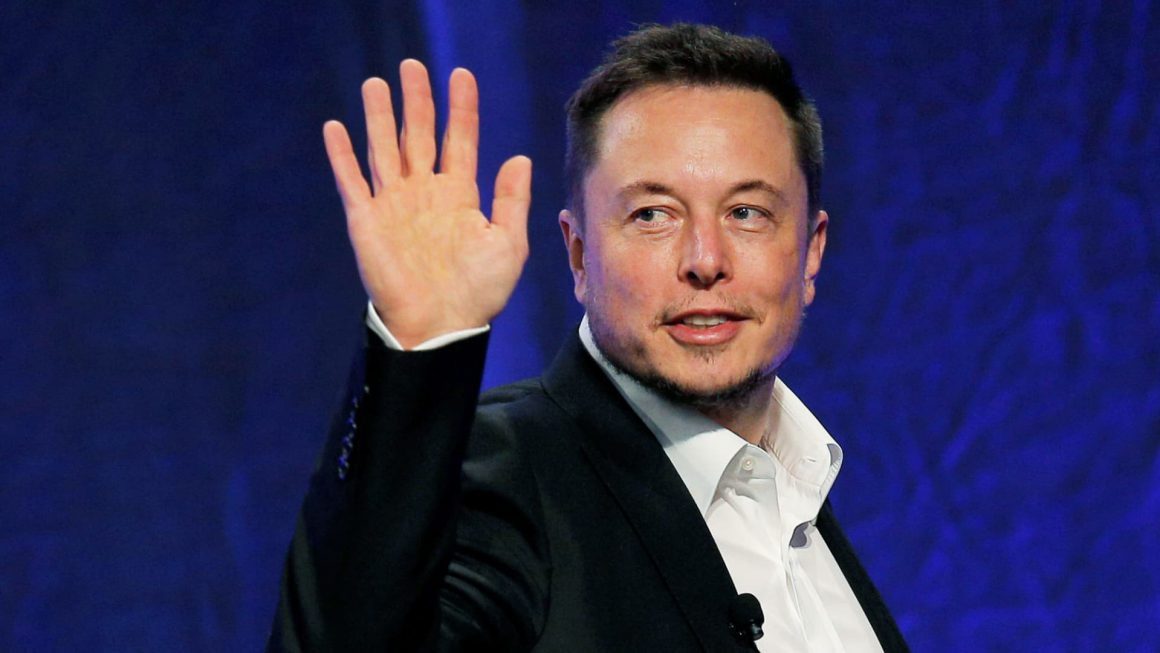
In a surprising turn of events, Elon Musk, once a key co-founder of OpenAI, found himself distanced from the company he helped establish. Musk, who stepped down from OpenAI’s board in 2018, has since voiced increasing concerns over the company’s shift from its original mission of accessible, ethical AI development. This rejection is not just personal; it marks a significant moment in the rapidly evolving landscape of artificial intelligence.
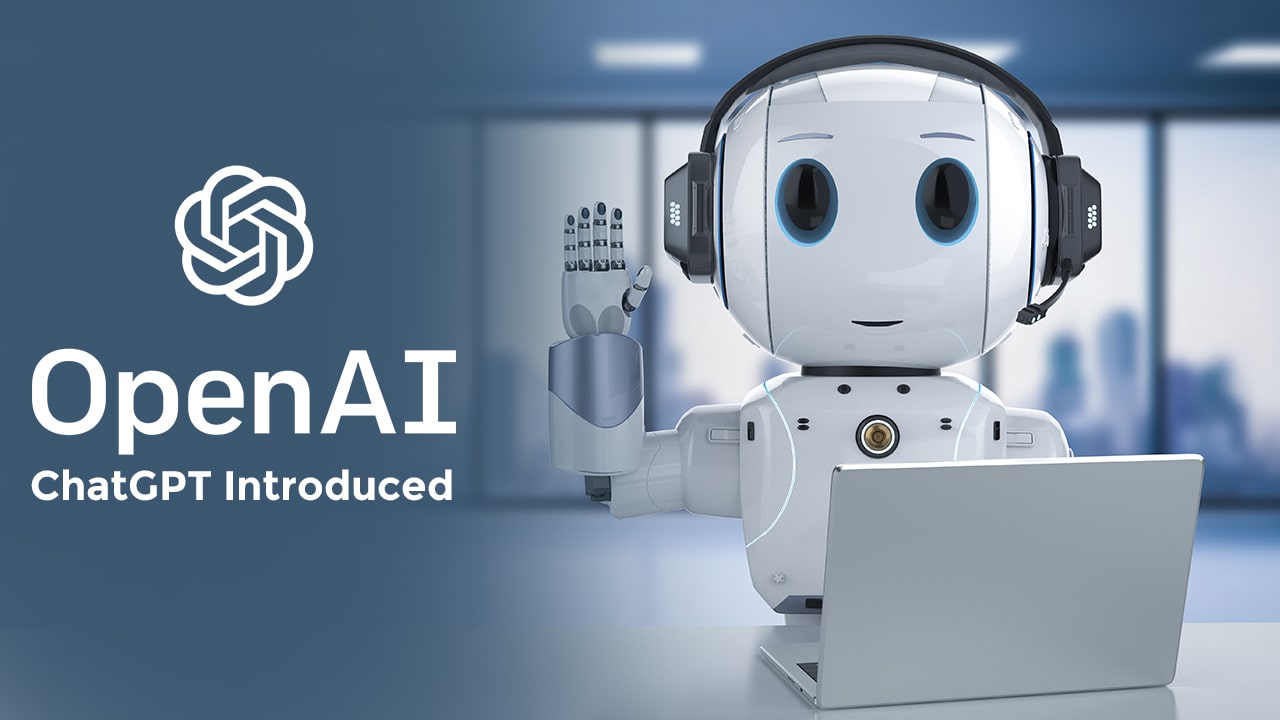
When Musk initially helped launch OpenAI in 2015, it was with the intention of creating a non-profit organization that would ensure AI was developed safely and for the benefit of humanity. But over time, OpenAI’s direction began to diverge from Musk’s vision. In 2019, the company made a controversial move, transitioning from a non-profit to a hybrid model with a capped-profit structure. Musk strongly opposed this shift, fearing that it could compromise the original ethical goals and open-source principles that the company had been founded upon.
This disagreement has had far-reaching implications, both for Musk personally and for the broader AI industry.
The Impact of Musk’s Departure
Musk’s departure from OpenAI left a noticeable gap in the company’s leadership, allowing OpenAI to pursue a more commercially-driven strategy. For Musk, the fallout meant a loss of influence in the field of AI development. His cautious approach to artificial intelligence, often described as visionary but skeptical, has become a hallmark of his broader business strategy. While he turned his focus to other ventures, such as Tesla and SpaceX, his rejection from OpenAI has led to more vocal warnings about the risks of unchecked AI.
In the meantime, OpenAI has continued to push forward, developing cutting-edge AI technologies like the GPT-3 language model. Yet, as the company commercialized its products, questions arose: was it staying true to its foundational mission to create AI that benefits humanity, or was it becoming just another tech giant, focused on profits? The commercialization of AI has sparked a wider debate across the industry, with Musk’s concerns at the forefront.
A Tension Between Innovation and Ethics
Musk’s rejection by OpenAI is part of a broader conversation about the ethical development of artificial intelligence. The AI industry has been expanding rapidly, with machine learning models being integrated into industries ranging from healthcare to transportation. Yet as AI becomes more powerful, it also raises serious ethical questions around privacy, bias, and misuse in areas like surveillance and warfare. Musk has been one of the most vocal proponents of strict AI regulation, warning that without proper governance, AI could pose dangerous risks to society.
However, OpenAI’s shift toward profit-driven motives has raised alarms for those who believe the technology should be developed with a greater emphasis on ethics and transparency. As the world watches these two tech giants—Musk’s Tesla and SpaceX versus OpenAI—struggle over the future of AI, one question remains: Can innovation coexist with responsible governance?
Looking Ahead
Musk’s rejection by OpenAI has only heightened the tension between innovation and ethics in the AI field. As companies like OpenAI continue to develop increasingly sophisticated AI systems, the challenge remains: how can we ensure these technologies are used responsibly and safely?
Musk, with his focus on regulation, is one of the few high-profile figures who insists on strict oversight in AI development. Meanwhile, OpenAI’s decision to commercialize AI technologies such as GPT-3 may signal a shift toward prioritizing financial growth over the long-term well-being of society. As AI continues to shape our world, the stakes are higher than ever—creating a pivotal moment in the debate over how much control companies, governments, and individuals should have over artificial intelligence.