
Sri Lanka is set to face significant challenges following the Trump administration’s decision to temporarily freeze all U.S. foreign assistance programs and halt new aid, potentially disrupting billions of dollars in global funding.
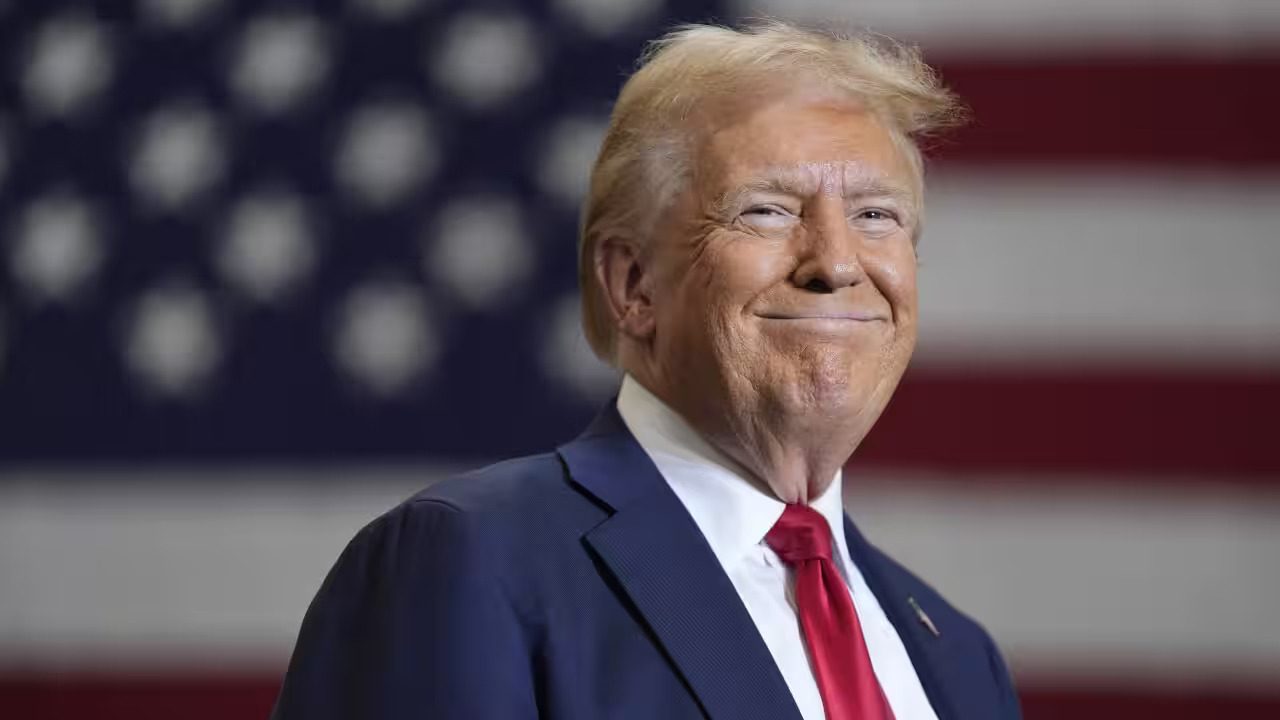
Newly appointed U.S. Secretary of State Marco Rubio issued a directive to all U.S. diplomatic missions, detailing the suspension. President Donald Trump signed an executive order enforcing the freeze for 90 days, during which the State Department will conduct a comprehensive review of all foreign assistance programs to ensure alignment with Trump’s foreign policy objectives.
Since 1956, the United States has provided over $2 billion (approximately Rs. 720 billion) in assistance to Sri Lanka. These funds have supported market-driven growth, environmental sustainability, and good governance initiatives through partnerships with the Sri Lankan government, NGOs, and civil society. However, the freeze threatens to halt progress on these fronts, leaving key development projects in limbo.
Soft Diplomacy
The impact of the freeze isn’t limited to Sri Lanka; it also poses significant risks for the United States itself. For decades, the U.S. has used foreign aid as a cornerstone of its diplomacy, projecting its global influence and fostering strategic relationships. Sri Lanka has often been touted as a success story of American assistance, with the U.S. boasting about its contributions to Sri Lanka’s economic development and governance reforms. This decision now forces the U.S. to step back from these commitments, potentially weakening its diplomatic clout and credibility in the region.
Additionally, foreign aid has long been a soft-power tool, enabling the U.S. to counteract growing Chinese influence in regions like South Asia. With the freeze in place, nations like Sri Lanka may be compelled to turn to other partners, including China, for financial and developmental support, thus undermining U.S. geopolitical interests.
While exceptions to the freeze have been made for military assistance to key allies like Israel and Egypt, the halt on broader aid programs raises questions about America’s long-term strategy. It not only puts developing nations at risk but also curtails the U.S.’s ability to leverage aid as a diplomatic tool, potentially forcing the nation to “stay put and shut” as global influence shifts elsewhere.
This development underscores the far-reaching consequences of Trump’s “America First” policy, signaling a shift that could weaken both the recipients of U.S. aid and the nation’s global standing.